
Check Engine Light
Possible Causes & Fixes for a Flashing Check Engine Light
The check engine light is a vital part of your car's onboard diagnostic system, designed to alert you to any issues that may be affecting your vehicle's performance, fuel efficiency, or safety. If the check engine light is flashing, it means the car's computer has detected a problem that needs immediate attention.
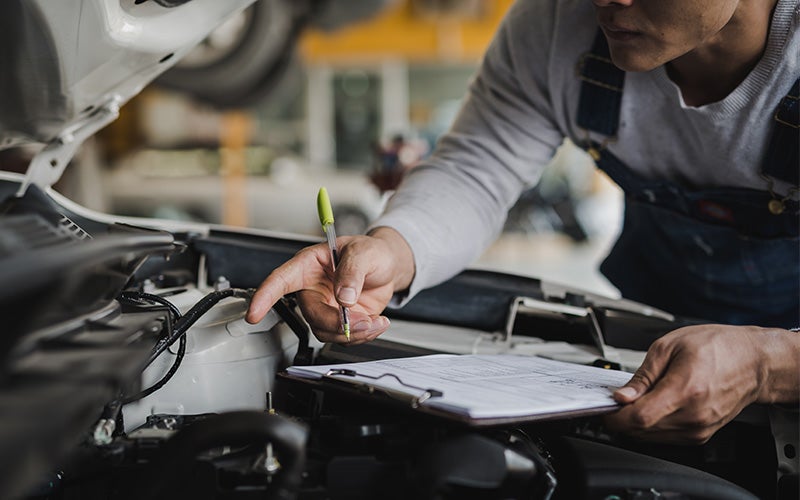
Reasons for a Flashing Check Engine Light:
- Loose Gas Cap: A loose or damaged gas cap can cause the light to flash, as the fuel system may not be able to maintain the correct pressure.
- Faulty Oxygen Sensor: The oxygen sensor measures the amount of oxygen in the exhaust gases and sends a signal to the engine computer, which adjusts the fuel-to-air ratio accordingly. A faulty oxygen sensor can cause the check engine light to flash.
- Catalytic Converter Problems: The catalytic converter helps to reduce harmful emissions from the car's exhaust. If the catalytic converter is malfunctioning, the check engine light may flash.
- Engine Misfire: A misfiring engine can cause the light to flash, as the engine computer may detect a problem with the combustion process.
The Importance of Addressing the Flashing Check Engine Light:
A flashing check engine light is a warning that there is an issue with your vehicle's engine or emissions system. If you ignore the warning, you could end up causing further damage to your car's engine, which could result in costly repairs. In addition, ignoring the issue could also larger to a decrease in your vehicle's fuel efficiency and performance.
Basics of Resetting a Flashing Check Engine Light:
It is generally safe to reset the light, as long as the underlying issue that caused the light to come on in the first place has been addressed. However, it is important to note that resetting the light will not fix the underlying issue, and it is important to have your vehicle checked by a mechanic to ensure that the problem has been properly diagnosed and repaired.
How to Reset the Check Engine Light:
There are two methods to reset it, using a scanning tool or disconnecting the battery.
Scanning Tool Method:
- Connect the scanning tool to your vehicle's OBD-II port, which is usually located under the steering column.
- Turn the ignition switch to the "on" position, but do not start the engine.
- The scanning tool should now be able to communicate with your vehicle's onboard computer.
- Follow the instructions provided with the scanning tool to access the diagnostic menu.
- Once you are in the diagnostic menu, you should be able to clear the check engine light by selecting the "clear codes" or "clear DTCs" option.
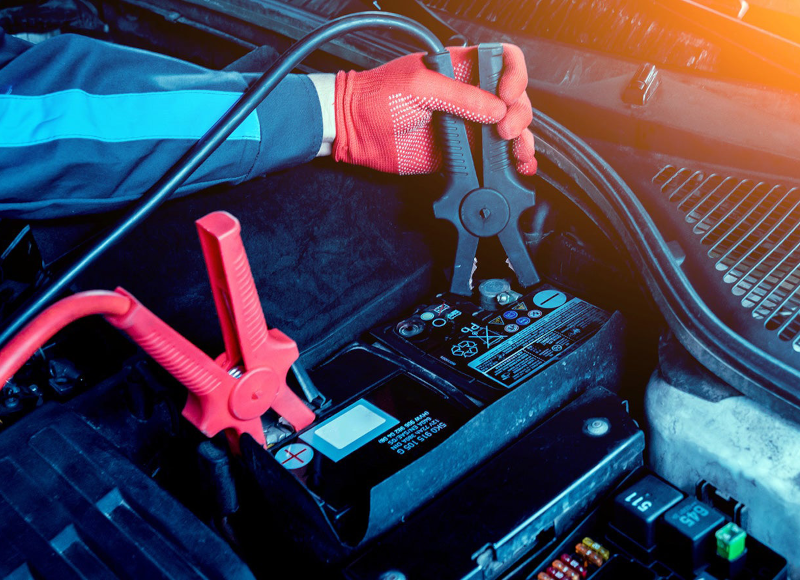
Battery Disconnection Method:
- Locate the negative battery cable, which is usually located under the hood of your vehicle.
- Disconnect the negative battery cable from the battery terminal.
- Wait for at least 30 seconds before reconnecting the cable.
- Once you have reconnected the cable, the check engine light should be reset.
What To Do When the Light Comes On & Flashes:
- Safely Pull Over: If the light comes on while you are driving, it is important to pull over to a safe location as soon as possible. This will help prevent any further damage to your vehicle's engine.
- Check the Gas Cap: One common cause of the check engine light coming on is a loose or damaged gas cap. If the gas cap is not tightened properly, it can cause the light to come on.Check the gas cap and make sure it is tightened securely.
- Look under the Hood: If the gas cap is not the issue, take a look under the hood to see if there are any other obvious issues that could be causing the light to come on.
- Look for Other Issues: If the light is flashing, it is important to monitor your car for other issues, such as a decrease in fuel efficiency or a loss of power. If you notice any of these issues, it is important to have your vehicle checked by a mechanic as soon as possible.
- Go See a Mechanic: If the check engine light is flashing, and you can't pinpoint or repair the problem yourself, it is important to have your vehicle checked by a mechanic as soon as possible. A mechanic will be able to diagnose the underlying issue and recommend the necessary repairs to fix the problem.
Bottom Line:
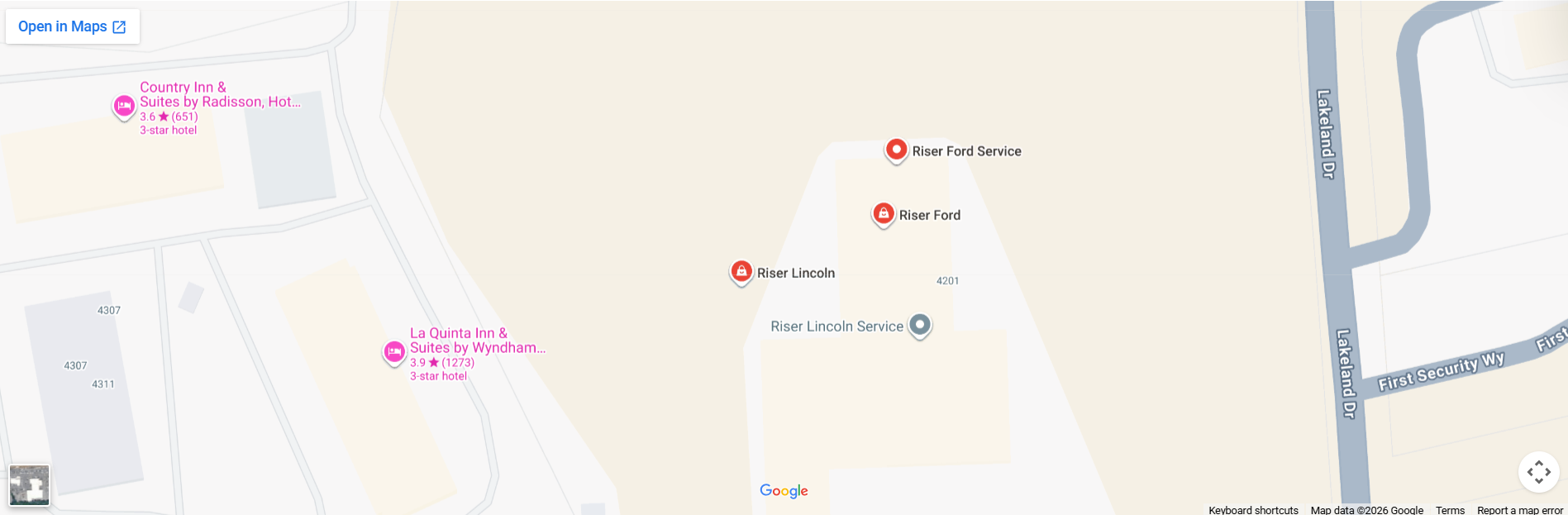
A blinking indicator typically signals a problem with your vehicle's engine or emissions system. It is important to address the issue as soon as possible to prevent any further damage to your vehicle's engine. If the light is flashing, don't let car troubles slow you down. Contact us at the Riser Ford Service Department for a convenient appointment and let us take care of your car's flashing check engine light!
| Monday | 9:00AM - 7:00PM |
| Tuesday | 9:00AM - 7:00PM |
| Wednesday | 9:00AM - 7:00PM |
| Thursday | 9:00AM - 7:00PM |
| Friday | 9:00AM - 7:00PM |
| Saturday | 9:00AM - 6:00PM |
| Sunday | Closed |
| Monday | 8:00AM - 5:00PM |
| Tuesday | 8:00AM - 5:00PM |
| Wednesday | 8:00AM - 5:00PM |
| Thursday | 8:00AM - 5:00PM |
| Friday | 8:00AM - 5:00PM |
| Saturday | 8:00AM - 12:00PM |
| Sunday | Closed |
| Monday | 7:30AM - 5:30PM |
| Tuesday | 7:30AM - 5:30PM |
| Wednesday | 7:30AM - 5:30PM |
| Thursday | 7:30AM - 5:30PM |
| Friday | 7:30AM - 5:30PM |
| Saturday | 8:00AM - 12:00PM |
| Sunday | Closed |