

Discover the Historic Bathhouses of Hot Springs, Arkansas - Unearth the Rich History and Cultural Significance
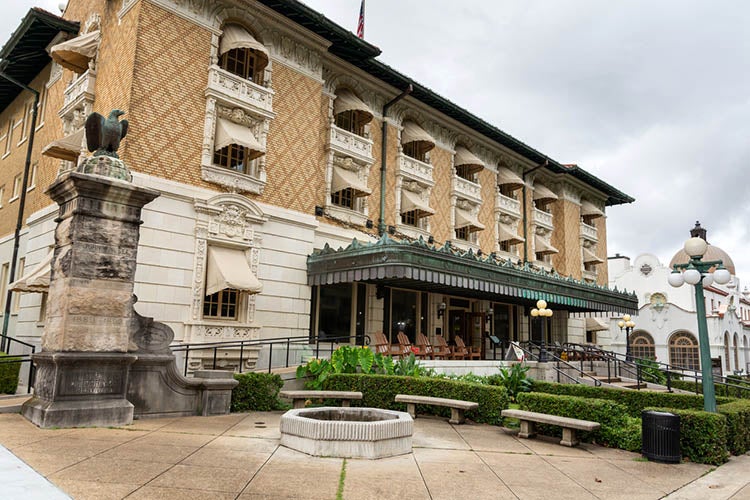
Nestled amid the landscape of Arkansas, Hot Springs stands out as a charming oasis of relaxation and rejuvenation. Renowned for its therapeutic bathhouses, this region has entrenched itself as a prime destination for individuals seeking wellness and tranquility. Perhaps most symbolic of this local phenomenon is the famed Bathhouse Row; an emblematic string of early 20th-century bathhouses that stand as architectural time capsules, whispering tales of the times gone by.
Exploring the History and Cultural Significance of Bathhouses
To fully appreciate Hot Springs' bathhouses, one must delve into the rich tapestry of their history. Acknowledged by Native American tribes for their supposed healing properties, these thermal waters turned into a popular resort area in the 19th century, drawing visitors far and wide for their restorative promise.
People have long celebrated the natural hot springs, which bubble with minerals and promote healing and wellness, creating a lasting and unique cultural association that still resonates today. The very act of bathing here provides a sense of continuity, bridging the gap between the past and present and encapsulating a widely shared human experience.
Preservation efforts have been myriad to maintain the authenticity and historical integrity of these bathhouses. Organizations like the National Park Service work tirelessly to keep these structures, now part of the Hot Springs National Park, standing proud - a reflection of our cultural and architectural heritage.
Bathhouses Craftsmanship and Design
Local artisans played a pivotal role in shaping the aesthetic appeal of these edifices. Their craftsmanship, resonant in each structure, showcases the communal pride and cultural values of their time. Bathhouses like Fordyce and Quapaw are excellent showcases of detailed stonework, artistic murals, and stained-glass windows, despite their distinct architectural styles and aesthetics.
In particular, the Fordyce bathhouse, showcasing Renaissance Revival architecture, has been known for its meticulous attention to detail, stained glass ceilings, marble walls, and statuary. Conversely, the Quapaw, showing Spanish Colonial Revival influences, is loved for its large dome over its men's bath hall. These unique features make each bathhouse a thread in the rich tapestry of local heritage and culture.
Bathhouse Boom: Impact on the Local Community
The surge in popularity associated with the bathhouses triggered significant transformations within the local economy. The "bathhouse boom" created job opportunities and bolstered tourism, in turn increasing overall economic prosperity.
However, this boom was not without challenges. Rapid development and increased tourism led to environmental concerns and raised issues concerning the preservation of local authenticity. Despite these challenges, the community has been steadfast in striking a balance between commercial appeal and cultural preservation to ensure that the essence of Hot Springs remains untouched.
Conclusion
Unearthing the history of Hot Springs, Arkansas, ultimately leads us to a greater understanding of the community's commitment to wellness, craftsmanship, and preservation. Each bathhouse stands as a testament to the cultural heritage of the region and beckons visitors to partake in a timeless tradition of relaxation.
As you plan your visit, allow your journey to be about more than seeking wellness; instead, become a part of maintaining a living history. As you soak in these healing waters, remember that, in doing so, you are supporting a community devoted to preservation, authenticity, and wellness.