

Drive Safe, Rotate Often:
The Benefits of Regular Tire Maintenance
As a car enthusiast, you understand the importance of running your vehicle smoothly and efficiently. Tire rotation is one aspect of vehicle maintenance that is frequently overlooked. Tire rotation is moving tires from one position on a car to another to ensure even wear and extend tire life. This simple procedure is critical for keeping your tires in good condition and ensuring that your vehicle performs optimally.
Benefits of Tire Rotation
Extended Tire Life: Regular tire rotation helps to ensure even wear and tear on your tires, which extends their lifespan and saves you money in the long run.
Increases Fuel Efficiency: Worn tires can reduce fuel efficiency, so rotating your tires can help keep your vehicle running smoothly and conserve fuel.
Improved Vehicle Performance: When your tires are wearing evenly, your vehicle will handle better and provide a smoother ride. This is especially important for high-performance cars.
Increased Safety: Tires worn unevenly can cause your vehicle to pull in one direction or cause handling issues, which can be dangerous. Regular tire rotation helps to prevent these issues and keeps you safe on the road.
How Often Should You Rotate Your Tires?
Most manufacturers recommend rotating your tires every 6,000 to 8,000 miles or every six months, whichever comes first. This interval can vary depending on your vehicle, tire, and driving habits.
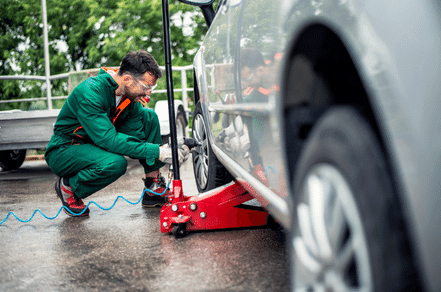
Signs You May Need to Rotate Your Tires Soon
Uneven Tire Wear: If one or more of your tires is wearing faster than the others, it's time to rot them.
Vibrations: If you feel vibrations in the steering wheel, it may indicate that your tires are not wearing evenly and need to be rotated.
Poor Traction: If your vehicle is slipping or sliding, it may mean that your tires need to be turned.
Vehicle Pulling: If you feel your vehicle pulling in one direction or the steering wheel is off-center, it's a sign that your tires are wearing unevenly and need to be rotated.
Factors That Affect Tire Rotation Intervals
Type of Vehicle: The vehicle you drive can affect tire revolving frequency. High-performance cars, for example, require more frequent tire rotation due to the increased stress on the tires during driving.
Type of Tires: Different tires wear differently, so following the manufacturer's recommended rotation interval for your specific tires is essential.
Driving Habits: Your driving habits, such as driving on rough roads or heavy loads, can affect the wear and tear on your tires and the frequency of rotation.
What Is The Proper Tire Rotation Pattern?
The proper tire revolving pattern will differ depending on your vehicle type and tires. Front-to-back, side-to-side, and cross-rotation are the most common tire rotation patterns. Following the manufacturer's recommended rotation pattern for your specific vehicle and tires is critical.
The Key to Regular Tire Rotation
Rotation of the tire is a simple process essential for maintaining your tires' health and ensuring that your vehicle performs optimally. Rotation of the tire can regularly extend your tire's life, improve vehicle performance, and increase safety. Riser Ford understands the value of tire rotation and is dedicated to providing our clients with the finest service possible. Check out our service offers and schedule your next tire rotation today.