

5 Signs Your Water Pump Is Going Bad
Your vehicle’s water pump plays a vital role in circulating coolant throughout the engine, keeping temperatures in check and preventing overheating. When this component starts to fail, the risk of severe engine damage increases quickly. Identifying signs of water pump trouble early can save drivers costly repairs down the road.
Our team at Riser Ford serves drivers throughout Hot Springs, helping pinpoint water pump issues before they become major headaches. Here are five key warning signs every driver should watch for.
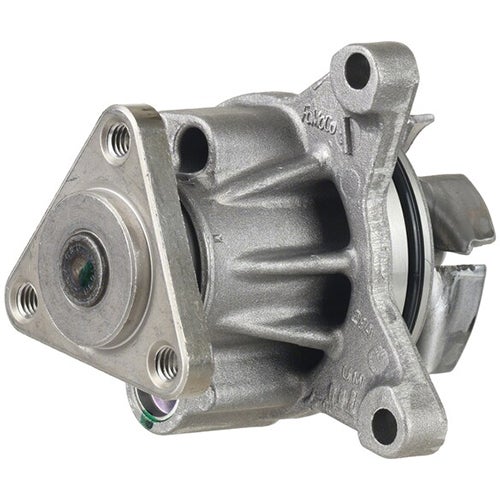
1. Coolant Leaking Under the Vehicle
A visible coolant puddle is one of the easiest water pump problems to spot. Check beneath the front of your vehicle after it has been parked, particularly if you notice:
- Green, orange, pink, or other colored fluid depending on the coolant type
- Wet spots or puddles near the front of the engine
- Dried coolant residue around the water pump or nearby components
A failing water pump seal or gasket can allow coolant to escape gradually. Even a small leak can eventually lower coolant levels enough to cause overheating.
2. Engine Overheating or Rising Temperature Gauge
What you'll notice:
The temperature gauge starts climbing above its normal position, an overheating warning appears, or you notice excessive heat or steam from the engine bay.
Why it matters:
The water pump may not be circulating coolant effectively, allowing engine temperatures to rise. This can become more noticeable during stop-and-go traffic, hot weather, long drives, or heavy engine loads.
What to do:
If the gauge reaches the hot zone, safely pull over and shut off the engine. Continuing to drive an overheating vehicle can cause serious engine damage.
3. Whining or Squealing Noise From the Front of the Engine
Listen for whining, squealing, or grinding noises that change as the engine runs. These sounds can occur when the water pump bearing begins to wear. Because belts, pulleys, and other accessories can create similar noises, the sound alone doesn't confirm water pump failure.
What to do: Have a technician inspect the water pump, belt, pulleys, and related components rather than assuming the source.
4. Rust, Corrosion, or Deposits Around the Water Pump
Sometimes the warning signs are visible before the pump completely fails. During an under-hood inspection, look for:
| What You See | What It May Indicate |
|---|---|
| Dried coolant deposits | Previous or ongoing coolant leakage |
| Rust or corrosion | Prolonged exposure to coolant or moisture |
| Wetness around the pump | Active coolant leak |
| Damaged or deteriorated seals | Potential source of coolant loss |
These signs can be easier to catch during routine maintenance or a professional multi-point inspection.
5. Steam or a Sweet Coolant Smell From Under the Hood
Steam + Sweet Smell = Don't Keep Driving
Steam under the hood can occur when leaking coolant reaches hot engine components. A sweet coolant odor may also be noticeable before a leak becomes visually obvious.
If you experience these symptoms:
- Pull over safely.
- Turn off the engine.
- Allow the vehicle to cool.
- Arrange for a professional inspection.
Do not open the cooling system while the engine is hot. Pressurized coolant can cause serious burns.
Schedule Water Pump Service
Timely water pump repairs are essential to protecting your engine and ensuring your vehicle remains dependable—especially for drivers in Hot Springs, Arkadelphia, and Magnolia. If you notice any of these symptoms or suspect an issue, reach out to us for expert guidance and service.
Scheduling an inspection is the best way to confirm whether your water pump or another component needs attention. Contact us directly to learn about the latest service options and to make your appointment.